
Workers Compensation Insurance In Cleveland, Akron, Canton, & all of Northeast Ohio

Workers Compensation Insurance in Cleveland, Akron, Canton, & all of Northeast Ohio
Workers compensation insurance is a required form of coverage for most businesses operating in Cleveland, Akron, Canton, & all of Northeast Ohio that employ workers. This insurance provides protection for both employers and employees when a work-related injury or occupational illness occurs. Workers compensation insurance helps cover medical treatment, lost wages, and rehabilitation expenses while also limiting employer liability related to workplace injuries.
At FMI Group, workers compensation insurance is structured to comply with Ohio regulations while addressing the operational realities of businesses across multiple industries. Because workplace risks vary by job function and industry, workers compensation coverage must be properly aligned with how employees perform their duties.
What Workers Compensation Insurance Covers
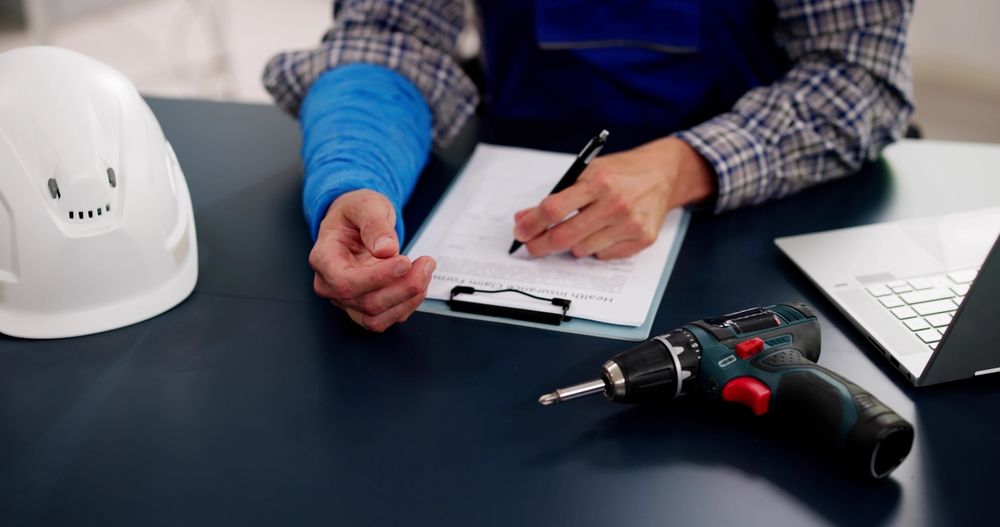
Workers compensation insurance is designed to respond when an employee experiences an injury or illness arising out of and in the course of employment. Coverage applies regardless of fault and plays a critical role in maintaining compliance and financial stability.
Medical Expenses
Medical coverage includes treatment costs associated with work-related injuries or illnesses. This may involve hospital care, physician visits, prescriptions, physical therapy, and ongoing medical services required for recovery.
Lost Wages
When an employee is unable to work due to a covered injury or illness, workers compensation insurance provides partial wage replacement. This ensures employees receive income support while recovering and helps reduce disputes related to time away from work.
Rehabilitation and Return-to-Work Support
Workers compensation insurance can cover vocational rehabilitation and transitional services that assist injured employees in returning to work. This may include modified duties or retraining when an employee cannot immediately resume their previous role.
Workers Compensation Requirements in Ohio
Ohio operates under a state-administered workers compensation system, which makes compliance especially important for employers in Cleveland, Akron, Canton, & all of Northeast Ohio. Most employers are required to maintain active workers compensation coverage as soon as they hire employees. Failure to carry proper coverage can result in penalties, fines, and operational disruptions.
Workers compensation insurance requirements apply to a wide range of employment types, including full-time, part-time, and seasonal workers. Proper classification of employees and accurate payroll reporting are essential components of maintaining compliant coverage.
Workers Compensation Insurance by Industry
Workers compensation exposure varies significantly depending on the nature of work being performed. Coverage must reflect these differences to ensure proper protection.
Construction and Contracting Businesses
Businesses in construction, trades, and contracting face higher injury risks due to physical labor, equipment use, and job-site hazards. Workers compensation insurance for these industries accounts for elevated exposure and regulatory oversight.
Manufacturing and Industrial Operations
Manufacturing and industrial employers often deal with machinery, repetitive motion, and environmental hazards. Workers compensation coverage addresses both acute injuries and cumulative occupational illnesses common in these environments.
Office-Based and Service Businesses
Even businesses with minimal physical risk still require workers compensation insurance. Office-based injuries, slips and falls, and ergonomic-related conditions are common claims addressed by workers compensation coverage.
How Workers Compensation Insurance Is Structured
Workers compensation insurance premiums are influenced by factors such as payroll size, employee classifications, claims history, and industry risk levels. Policies are structured to reflect these variables and adjusted as business operations change.
Accurate job classification is especially important, as misclassification can lead to coverage gaps or premium adjustments. Workers compensation insurance is typically reviewed annually to ensure payroll and operations are properly reflected in the policy.
The Role of Workers Compensation in Risk Management
Workers compensation insurance is a core component of an employer’s overall risk management strategy. Beyond compliance, it provides a structured system for handling workplace injuries efficiently and predictably. Proper workers compensation coverage can help reduce litigation exposure and support faster claim resolution.
When coordinated with other commercial insurance policies, workers compensation insurance contributes to a more stable and resilient business operation. Many businesses integrate workers compensation coverage with general liability, commercial auto, and employer liability protections.
Workers Compensation Insurance Through FMI Group
FMI Group works with businesses in Cleveland, Akron, Canton, & all of Northeast Ohio to secure workers compensation insurance that aligns with regulatory requirements and operational needs. Coverage is structured based on employee roles, industry exposure, and payroll considerations to ensure compliance without unnecessary complications.
Workers compensation insurance is not a one-size-fits-all policy. Ongoing changes in staffing, job duties, and business growth can impact coverage needs. Properly structured workers compensation insurance helps businesses remain compliant while protecting both employees and long-term operations.